


Aviator Game Cashout Strategy — Singapore Player Review
Review: Aviator by Spribe in Singapore Online Casinos
Aviator by Spribe is a fast-paced crash-style casino game that has gained traction among Singapore players for its simple mechanics and high-adrenaline rounds. The core concept is that a plane climbs on a multiplier curve, and players must cash out before the plane flies away. This review focuses on practical cashout strategy, user experience, and local considerations for playing Aviator from Singapore.
How Aviator Works
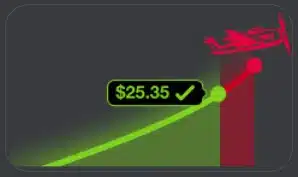
Each round begins with a multiplier starting at 1.00x and increasing as the plane ascends. The flight ends at a random point; if you haven’t cashed out by then, you lose your bet. Payouts are computed by multiplying your stake by the multiplier at the moment of cashing out. Rounds are quick, often under a minute, and encourage repeated short bets.
General Rules
‒ Place a bet before the plane takes off.
‒ Manual cashout: click to withdraw at any multiplier.
⎯ Auto cashout: set a target multiplier to automatically cash out.
‒ If the plane crashes before your cashout, the bet is lost.
Cashout Strategy Overview
The term “aviator game cashout strategy” refers to methods players use to decide when to exit a round. There is no foolproof method due to the game’s inherent randomness, but disciplined approaches can help manage bankroll and aim for steady returns rather than chasing rare huge multipliers.
Conservative Incremental Cashouts
Aim for low multipliers (1.2x–1.7x) and play many rounds. The idea is to lock in frequent small wins and reduce variance. Use auto cashout to remove emotional decisions and stick to a preset multiplier.
Kelly-Inspired Fractional Stakes
Use a fraction of your bankroll per bet based on perceived edge (which is usually zero with fair games). A practical adaptation: risk 1–2% of your bankroll per round and target modest multipliers (1.5x–2.5x). This helps preserve your capital over longer sessions.
Stop-Loss and Take-Profit Rules
Predefine session limits: set a maximum loss (e.g;, 10%–20% of your session bankroll) and a take-profit target (e.g., +20%–50%). Close the session when either threshold is met to avoid tilt-driven decisions.
Mixed Strategy: Staggered Auto Cashouts
Place multiple smaller bets with graduated auto cashouts (e.g., one at 1.3x, another at 2x, another at 5x). This spreads risk: you secure some profit early while still having exposure to larger multipliers.
Practical Tips for Singapore Players
⎯ Choose licensed, reputable casinos that accept players from Singapore and provide Spribe titles.
‒ Test strategies in demo mode before betting real money.
⎯ Use responsible bankroll management and be aware of local gambling laws and restrictions.
Where to Play in
Singapore players often access international online casinos. Look for platforms with strong security, clear cashout terms, multiple payment options, and transparent verification processes. Avoid sites with unclear policies or excessive withdrawal delays.
Interface and User Experience
The Aviator interface by Spribe is minimalistic and responsive. Key elements include the multiplier graph, chat box, bet history, and auto cashout settings. The simplicity aids quick decision-making, but beware that speed also pressures impulsive plays.
Demo and Practice Mode
Many casinos offer a demo mode for Aviator, which lets you experiment with cashout levels and auto cashouts without risking real funds. Use demo rounds to test tick-timing, reaction speed, and the psychology of short-interval betting.
Random Format Insert: Interview with a Player Who Won
Interview Excerpt, “I cashed out at 6x after building confidence”
Interviewer: How did you decide your cashout?
Winner: I started conservative, then used a mixed strategy. After a few steady wins at 1.5x–2x I scaled up one bet to 5x with a small stake. I hit 6x and cashed out manually. Discipline and pre-set stop-loss helped.
Interviewer: Any tips for Singapore players?
Winner: Use small stakes, set auto cashouts for baseline profits, and never chase huge multipliers with big portions of your bankroll.
Questions and Answers
Frequently Asked Questions
Q: Is Aviator rigged?
A: Aviator uses a provably fair algorithm in many casinos using Spribe. While randomness is guaranteed, long-term expectation equals house edge based on bet payouts and commission. No strategy changes inherent house advantage.
How-to Questions
Q: How to set auto cashout?
A: In the betting panel, enter the multiplier value you want and enable auto cashout. Test it in demo mode to ensure it triggers as expected.
Expert Feedback
Experienced Player
“Aviator is about discipline. The auto cashout feature is the unsung hero — it prevents emotional mistakes. You must define your session goals;”
Risks and Responsible Play
Aviator’s quick rounds and visible graph can lead to impulsive gambling. Set time and monetary limits, avoid chasing losses, and take frequent breaks. Seek help if gambling affects daily life.
Table: Advantages of the Game
| Advantage | Why It Matters |
|---|---|
| Fast rounds | High engagement and many opportunities per session |
| Simple mechanics | Easy to learn and accessible for casual players |
| Auto cashout feature | Enables disciplined strategies and reduces tilt |
Common Mistakes to Avoid
- Chasing rare high multipliers with large stakes.
- Skipping stop-loss and take-profit rules.
- Ignoring demo practice and jumping in with untested strategies.
Session Example: Applying a Cashout Plan
Example session using a 100-unit bankroll: bet 1 unit each round (1% per round). Auto cashout at 1.5x for 70% of bets, stagger 20% at 2.5x, and place 10% tiny bets aiming for 5x+. Stop-loss at -15 units, take-profit at +25 units. This mix secures frequent small wins while keeping exposure to larger payouts.
Final Thoughts
“aviator game cashout strategy” is less about beating randomness and more about managing risk and emotions. For Singapore players, choose trustworthy platforms, use demo mode, and adopt conservative, repeatable cashout rules. The best results come from discipline, sound bankroll management, and realistic expectations.